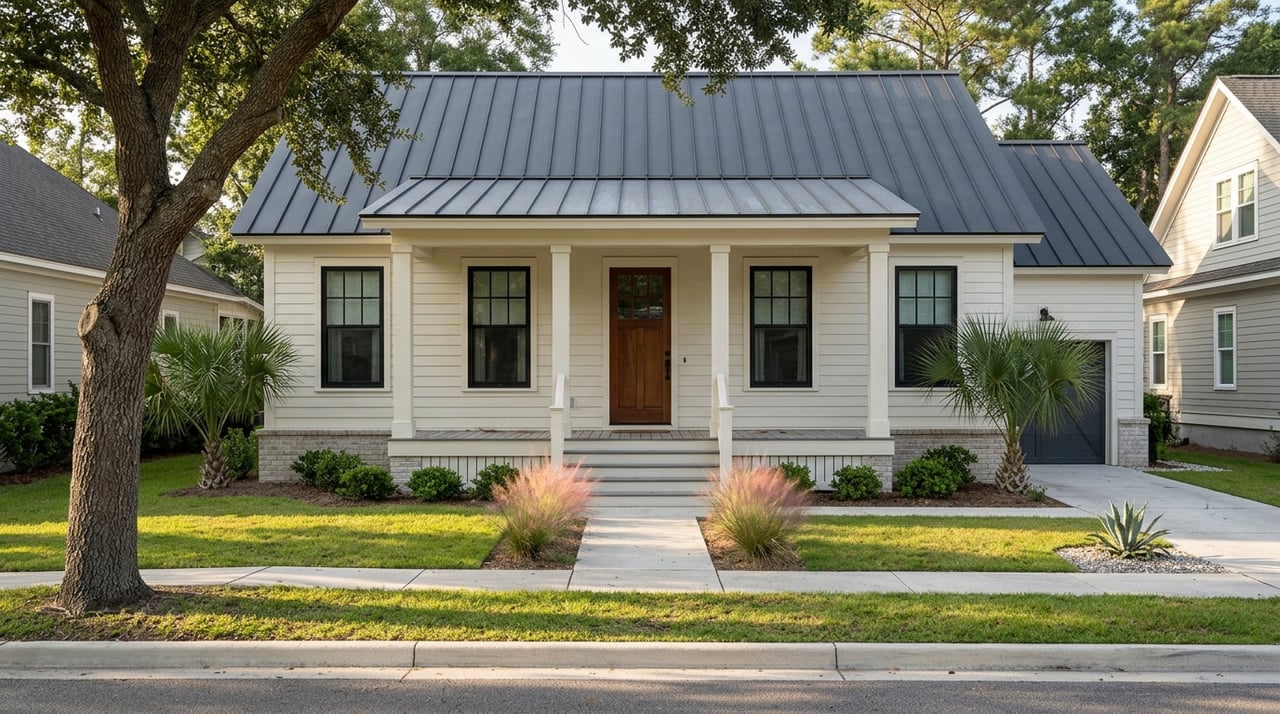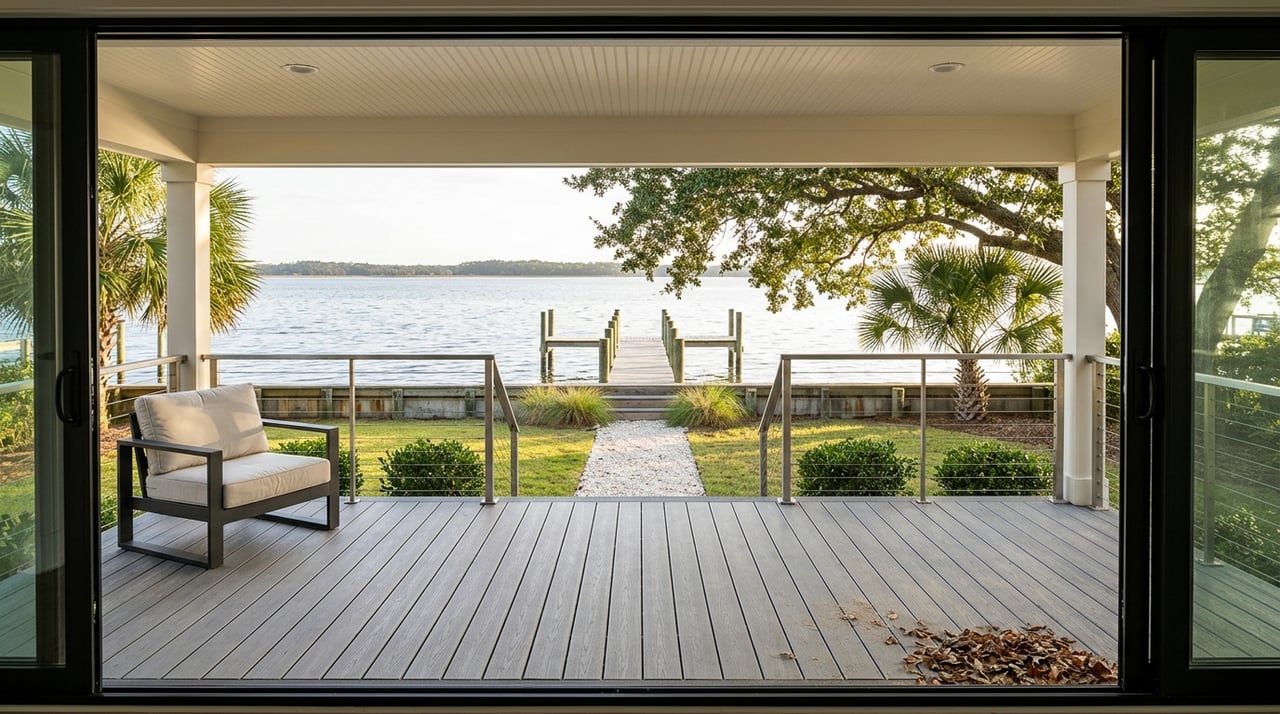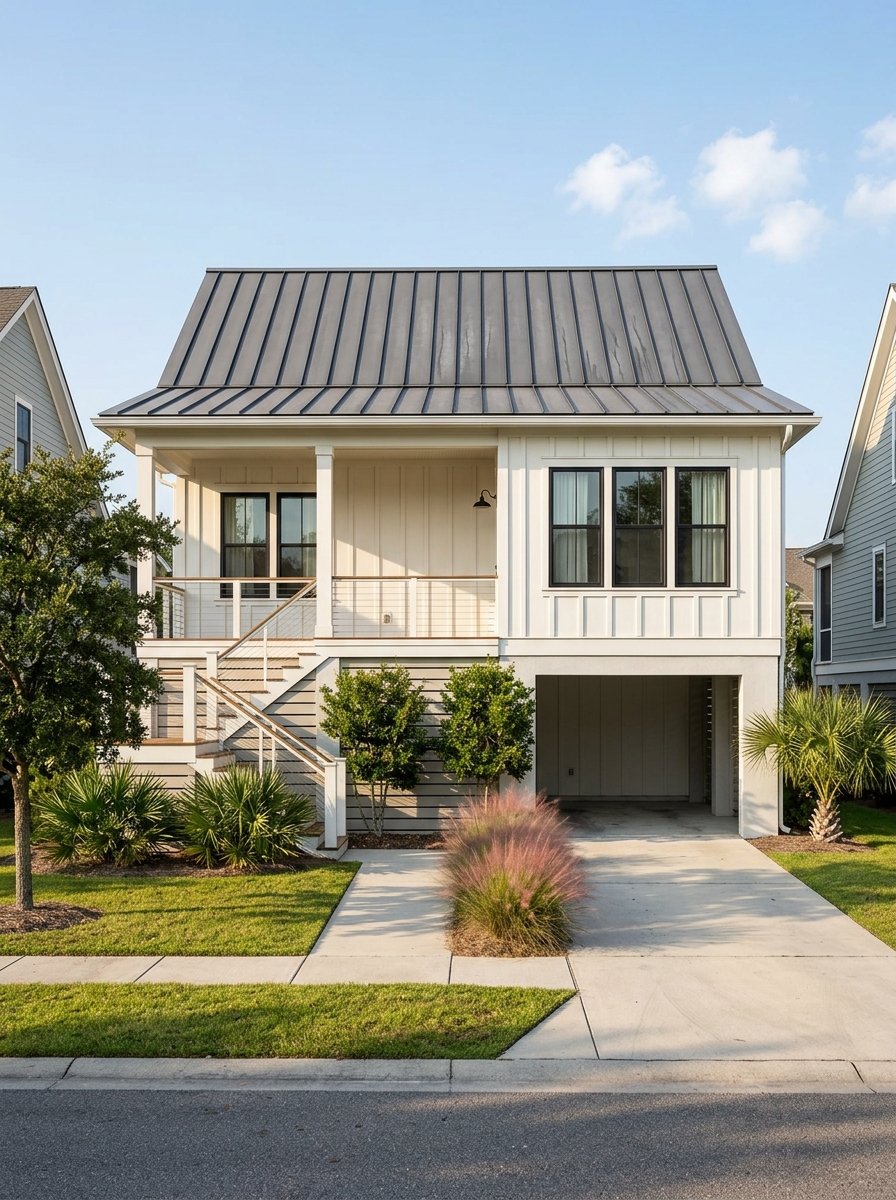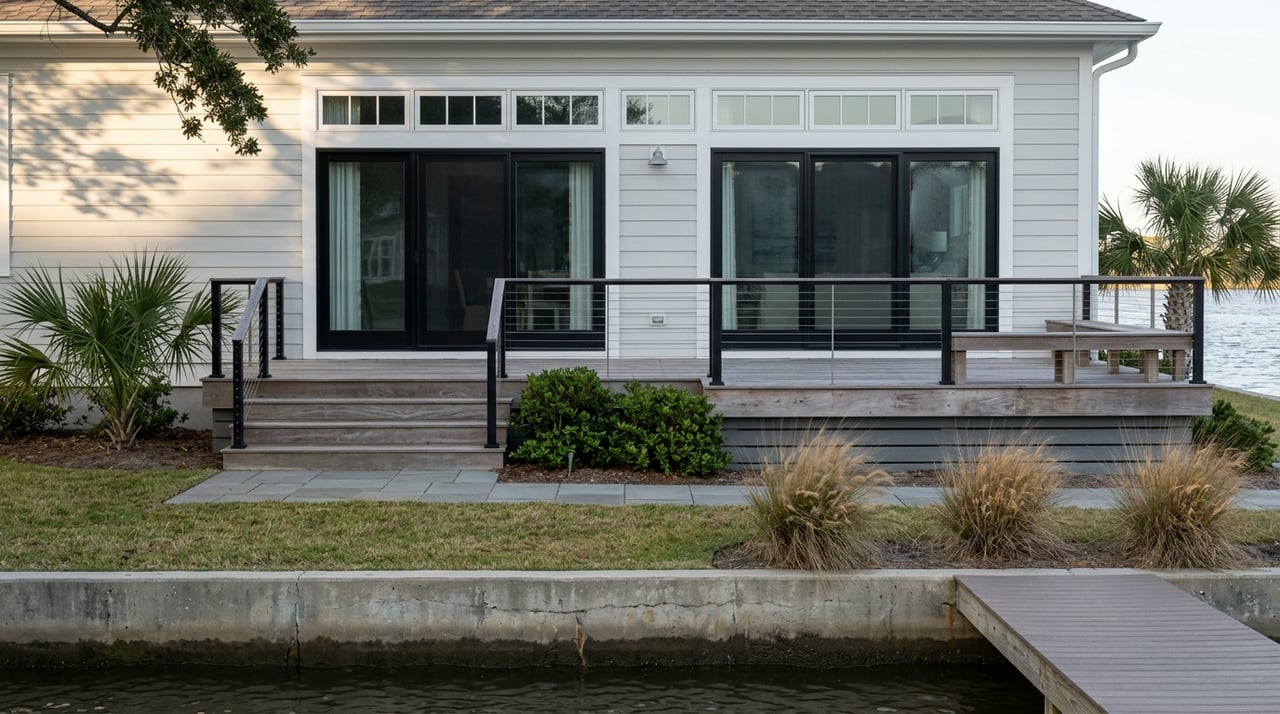
If you price a waterfront home in Pass Christian like a standard home, you can miss the market in either direction. You want to protect your equity, but you also do not want to sit too long while buyers compare your property to other coastal options. The good news is that a smart pricing strategy is not guesswork. It is a process built on the right local data, the right comparable sales, and the right property details. Let’s dive in.
Pass Christian pricing starts with market reality
Pass Christian is currently in buyer’s market territory, which means buyers have options and can be selective. As of June 2026, Realtor.com reported a median listing price of $441,000, 415 active homes for sale, and a median of 78 days on market.
That matters if you are selling waterfront property. In a slower, more competitive market, your first list price needs to make sense from day one. Buyers may still pay close to asking price on average, but that usually happens when the home is priced well from the start.
Online value estimates can also tell very different stories. Zillow reported an average Pass Christian home value of $310,316, while Redfin reported a median sale price of $365,000 for the three months ending May 2026.
Those numbers are not necessarily conflicting. They are simply measuring different things. For you as a seller, the takeaway is simple: broad online estimates are background information, not a pricing plan.
Waterfront homes compete in their own lane
A waterfront home in Pass Christian is not competing with every home in town. It is competing within a distinct coastal inventory pool. Zillow currently shows 195 waterfront homes for sale in ZIP code 39571, which reinforces how important it is to compare your property to similar shoreline listings and recent sales.
That is one reason citywide averages can be misleading. Realtor.com shows neighborhood median listing prices ranging from $565,000 in Downtown Pass Christian and $544,900 in West Pass Christian to $299,500 in East Pass Christian and $217,450 in North Central.
When pricing your home, location inside Pass Christian matters. So does your exact relationship to the water. A broad city average cannot capture the difference between direct waterfront, water-view, and coastal-adjacent homes.
Use shoreline-specific comparable sales
The strongest pricing strategy starts with recent closed sales, not hopeful list prices. Fannie Mae guidance says appraisers rely on MLS data, tax records, comparable sales, local market conditions, and property amenities, with the sales comparison approach playing a central role.
That means the best comparable sales are the ones most like your property in the ways buyers actually care about. For waterfront homes, that usually includes shoreline type, view, access, elevation, lot influence, and site improvements.
Fannie Mae also notes that view and location are separate valuation inputs. Freddie Mac likewise requires location and overall view ratings and expects comparable sales to be similar enough that any adjustments can be supported.
In plain terms, your direct waterfront home should not be priced off a home with only a distant water view. And a home across the street from the water should not automatically be treated the same as one with direct shoreline access.
The comp categories that matter most
When a waterfront home is priced correctly, the comp set is usually narrow and intentional. The most useful comparisons often answer questions like these:
- Is the home direct waterfront, water-view, or coastal-adjacent?
- Is the view full, partial, or limited?
- Does the property have usable shoreline access?
- Is the shoreline improved with structures or protective features?
- How similar are the lot, elevation, and condition?
- How recent are the closed sales?
In a market that is moving more slowly, timing matters too. Fannie Mae’s 2025 appraiser update says appraisers are expected to analyze market-condition changes and make time adjustments when the data supports it. So a sale from many months ago may need a careful adjustment before it helps set your price today.
Waterfront features can change the number
With coastal property, the lot and shoreline can influence value just as much as the house itself. That is especially true when buyers are comparing not just square footage, but also use, exposure, maintenance, and long-term ownership costs.
Features like docks, boathouses, bulkheads, riprap, seawalls, boat slips, and dredging work can shape pricing discussions. A waterfront appraisal reference from New Jersey notes that items like docks and bulkheads, along with their condition, can affect valuation. While that report is not Mississippi-specific, the principle is useful: waterfront improvements are part of the value story.
In Mississippi, those improvements may also involve permitting. The Mississippi Department of Marine Resources says permits are required for many projects involving piers, boathouses, bulkheads, riprap, boat slips, dredging, and similar work.
If you have completed shoreline work, records matter. Buyers will want to understand what was done, when it was done, and whether the work was properly approved.
Condition matters above and below the waterline
Mississippi State University Extension notes that bulkhead condition affects shoreline design and cost considerations. For sellers, that is a helpful reminder that waterfront buyers are evaluating more than interior finishes.
A renovated kitchen can help your home show well, but shoreline condition still matters. If your marine improvements are in strong shape and well documented, that can support buyer confidence and strengthen your pricing position.
On the other hand, if repairs are needed, overpricing can backfire. Buyers may factor those future costs into both their interest level and their offers.
Flood factors are part of pricing
Flood risk is part of the waterfront conversation in Pass Christian. FEMA’s Flood Map Service Center is the official public source for flood hazard information, and Pass Christian maintains floodplain information and ordinance resources on the city site.
For some buyers, flood insurance will be a major budgeting issue. FloodSmart says that a home in a Special Flood Hazard Area with a government-backed mortgage generally must carry flood insurance.
That does not automatically reduce your home’s appeal. It does mean buyers will look closely at risk documentation, insurance costs, and elevation-related details when deciding what your property is worth to them.
Documentation can help buyer confidence
FloodSmart says most homeowners do not need an elevation certificate to get flood insurance, but an elevation certificate can still be useful. It may help document first-floor height and clarify flood-related details.
If you already have one, bring it to your pricing consultation. It may not change value by itself, but it can help explain your property more clearly to buyers who are comparing several coastal homes.
Your flood insurance declarations page, flood map information, and any related records can also support a more informed pricing discussion. In a buyer’s market, clear documentation can reduce uncertainty.
Tax records do not tell the whole story
Mississippi’s property tax system is based on market value, and the Mississippi Department of Revenue says county tax assessors regularly inspect property, with real property revalued at least once every four years. The same guidance notes that interior inspections are not required.
That is important for waterfront sellers. Public records may not fully capture recent renovations, deferred maintenance, or upgrades that affect how buyers see your home.
If you have updated flooring, kitchens, baths, windows, roofing, or major systems, do not assume those changes are obvious in the record. Bring photos, invoices, and repair documentation to help support your value story.
Common pricing mistakes waterfront sellers make
The biggest pricing problems usually come from using the wrong reference points. In Pass Christian, where neighborhood and shoreline differences can be significant, small pricing shortcuts can lead to large mistakes.
Here are the most common issues to avoid:
- Pricing from inland comps instead of waterfront sales
- Using stale sales without adjusting for current market conditions
- Relying too heavily on citywide averages
- Ignoring differences in view, access, or shoreline frontage
- Overlooking flood exposure or elevation-related buyer concerns
- Failing to account for the condition of docks, bulkheads, or other marine features
- Assuming tax records fully reflect updates or condition
Some sellers also make the opposite mistake and leave money on the table. If your property has a superior view, stronger elevation profile, better frontage, or documented shoreline improvements, those details should be considered carefully.
What to gather before pricing your home
A strong pricing consultation is easier when you bring the right information up front. That helps separate land value, structure value, flood-related factors, and shoreline improvements.
Start with the basics:
- Survey or plat
- Parcel number
- Current tax bill or assessment notice
- Deed or recent closing statement
- Flood map or FIRM information
- Flood insurance declarations page
- Elevation certificate, if you have one
For waterfront property, you should also gather records for site and shoreline work, including:
- Permits or approvals
- Invoices for completed work
- Dated photos
- Records for docks, boathouses, bulkheads, riprap, seawalls, boat slips, or dredging
The more complete your records, the easier it is to explain what your property offers and why your asking price is justified.
A smart Pass Christian pricing strategy
The best pricing strategy for a Pass Christian waterfront home is simple in theory, even if the details take work. Start with recent, similar, shoreline-specific closed sales. Then adjust for view, location, elevation, access, condition, and waterfront improvements.
That approach is especially important in today’s market. With a median pace of 78 days and buyer’s-market conditions, pricing high just to test the market can cost you time and leverage.
A clear, data-driven strategy gives you a better chance to attract serious buyers early. That is how you protect your position while still staying competitive.
If you are thinking about selling your waterfront home in Pass Christian, the right next step is a pricing conversation built around your exact property, not a generic estimate. Reach out to Jonathan Griffin for a clear, local, step-by-step home valuation process done the right way.
FAQs
How should you price a waterfront home in Pass Christian?
- You should base pricing on recent closed sales from the same shoreline segment or view class, then adjust for location, view, elevation, access, condition, and waterfront improvements.
Why are inland comps a problem for Pass Christian waterfront sellers?
- Inland comps can miss the value differences tied to water access, frontage, view, flood factors, and marine improvements, which can lead to overpricing or underpricing.
What documents should Pass Christian waterfront sellers gather before a pricing consult?
- Bring your survey or plat, parcel number, tax bill or assessment notice, deed or closing statement, flood map information, flood insurance declarations page, elevation certificate if available, and records for any shoreline improvements.
Do flood zones affect waterfront home pricing in Pass Christian?
- Yes. Flood risk, insurance requirements, and elevation-related documentation can influence buyer confidence, ownership costs, and how your home compares to other coastal listings.
Do docks and bulkheads matter when pricing a Pass Christian waterfront property?
- Yes. Buyers may consider the presence, condition, and documentation of docks, bulkheads, riprap, boathouses, and similar improvements when evaluating value.
Why do online estimates differ for Pass Christian homes?
- Online estimates use different methods and data sets, so they can produce very different numbers. They are useful for context, but they are not a substitute for recent local comparable sales.