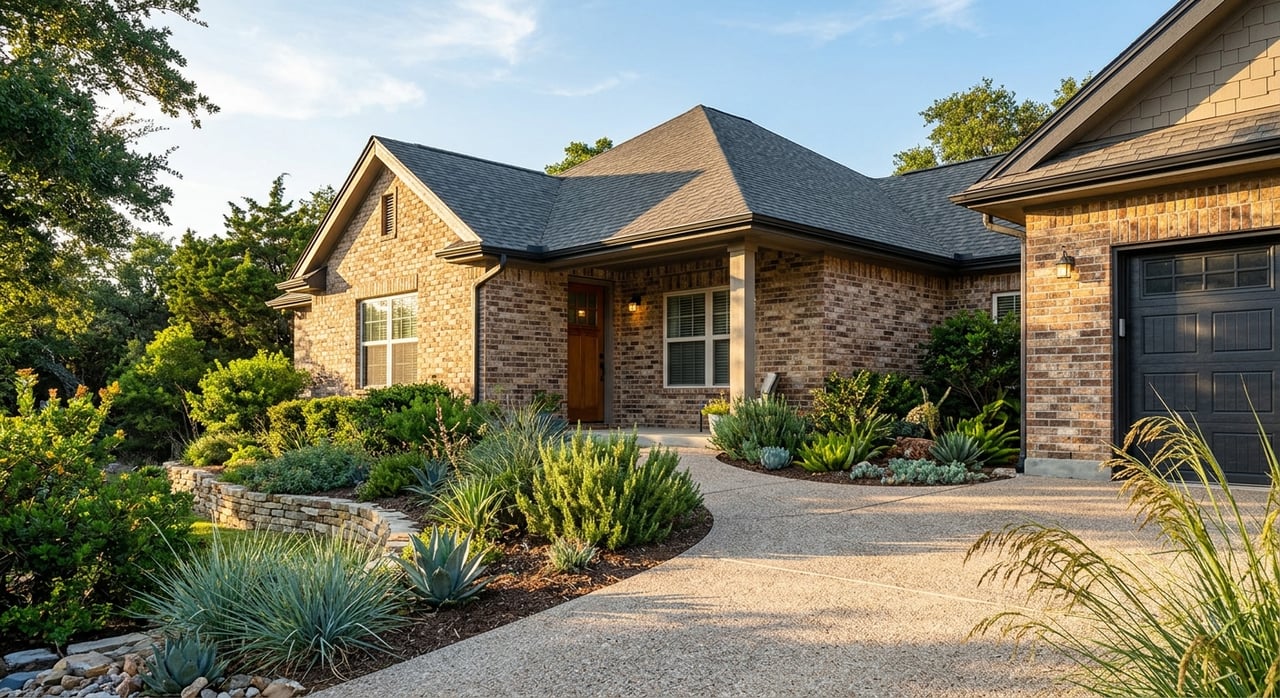
If you love Gulfport but are torn between beach access and everyday convenience, you are not alone. A lot of buyers moving within, into, or back to the Mississippi Gulf Coast face the same question: should you live closer to the water or farther inland? The good news is that both sides of Gulfport offer strong lifestyle benefits, and the right fit usually comes down to how you want your days to feel. Let’s dive in.
Gulfport Has Distinct Lifestyle Zones
Gulfport is shaped by its coastline, main road network, and major work and travel hubs. The city describes itself as a beachfront community on the Gulf of Mexico with about 6.7 miles of manmade white sandy beaches, a strong downtown commercial center, and historic home sites along the beach.
In practical terms, many locals think of Gulfport in three bands. There is the coastal and waterfront area near the beach, a middle band around Pass Road and south of I-10, and a more inland commuter-focused band north of I-10 around Dedeaux Road, Highway 49, Highway 605, and Airport Road. That layout matters because it affects your drive times, your routines, and the kind of home setting you may prefer.
Coastal Gulfport Lifestyle
If your ideal week includes beach walks, marina views, and easy access to waterfront activities, coastal Gulfport may feel like home. This part of the city is built around the shoreline, downtown access, and recreation tied to the Mississippi Sound.
Visit Mississippi describes Gulfport Beach as having calm, shallow water. The Gulfport Marina also provides ferry access to Ship Island from Jones Park on a seasonal basis, and the island beach area includes restrooms, showers, picnic space, and a concession store.
What daily life feels like near the coast
Living near the coast often means the waterfront becomes part of your normal routine. You may be closer to beach outings, marina activity, downtown destinations, and some of the city’s visitor-focused attractions and landmarks.
Transit access is also stronger in the coastal and downtown core than in more inland areas. Coast Transit Authority’s Beachcomber Route 1 runs along the beachfront and serves attractions, museums, historic landmarks, and entertainment venues, while the Gulfport Transit Center at 20th Avenue connects multiple routes near the downtown area.
Who coastal Gulfport may suit best
Coastal Gulfport can be a strong fit if you want:
- Quick access to the beach and waterfront
- A lifestyle centered on leisure and recreation
- Closer proximity to downtown Gulfport amenities
- Better access to the city’s strongest fixed-route transit area
- A home search that includes beach-adjacent character and older coastal housing patterns
This part of Gulfport is often appealing if lifestyle is your top priority and you want the water to shape your weekends, and possibly your weekdays too.
Housing feel near the beach
Coastal housing is not one single style. Gulfport’s zoning map shows sand beach and waterfront districts along with multiple residential districts, which supports a mix of housing types rather than one uniform pattern.
You may find a blend of waterfront-oriented areas, historic beach-area homes, and some higher-density residential options. That means your search may be less about one standard neighborhood format and more about choosing the type of coastal access and setting that fits you best.
Inland Gulfport Lifestyle
If your top priorities are commute efficiency, work access, and practical daily convenience, inland Gulfport may be the better match. This side of the city is more closely tied to major road corridors, employment nodes, and everyday errands.
The city’s Dedeaux Road corridor description notes that the area north of I-10 and west of Highway 605 is primarily residential with some lower business districts. It also connects residents to shopping, employment, the airport, the port, and other major local destinations.
What daily life feels like inland
Inland Gulfport tends to support a more utility-driven routine. You may be closer to the routes that help you reach work, appointments, shopping, and regional travel points with less dependence on the coast’s slower, destination-oriented pattern.
This matters if your week is built around getting to Highway 49, I-10, Airport Road, or other major corridors. Gulfport’s transportation planning notes that east-west travel leans heavily on I-10 and US 90, while only a limited number of local roads directly connect the city’s main north-south arterials.
Key convenience points inland
Several major regional anchors sit within this inland or near-inland framework:
- Gulfport-Biloxi International Airport is about two miles from I-10
- The Port of Gulfport has direct access to Highway 49 and is about 10 minutes from I-10
- Memorial Hospital Gulfport is on 13th Street and includes 328 licensed beds, Level II trauma care, and more than 100 physician clinics
- NCBC Gulfport is located within the city for military-connected households
For many buyers, that combination makes inland Gulfport easier to live in day to day, especially if work, travel, or military relocation timing is a major part of your decision.
Housing feel inland
Inland Gulfport generally offers a broader residential mix away from the waterfront. The city’s zoning legend includes low-density single-family, medium-density single-family, estate, and higher-density residential districts.
That points to a more conventional neighborhood pattern in many inland areas. If you want a wider range of residential settings rather than beach frontage, inland Gulfport may give you more options to compare.
The Pass Road Middle Ground
Not every buyer wants an all-coastal or all-inland lifestyle. In Gulfport, the Pass Road area south of I-10 often works as an in-between option.
This middle band can offer a balance of access. You may still be reasonably connected to the beach and downtown while also staying closer to grocery stores, apartments, major roads, and everyday services. CTA Route 34 serves this corridor and connects to destinations including grocery stores, apartments, Mississippi Gulf Coast Community College, and the Biloxi VA.
If your goal is to stay connected to both leisure and practicality, this part of Gulfport is worth a closer look.
Coastal Vs. Inland: Key Trade-Offs
The easiest way to compare the two is to think about what you want your time and movement to revolve around. Coastal Gulfport puts more emphasis on waterfront living, recreation, and beach access. Inland Gulfport puts more emphasis on efficiency, road access, and proximity to major employment and travel hubs.
Here is a simple side-by-side view:
| Lifestyle Factor | Coastal Gulfport | Inland Gulfport |
|---|---|---|
| Daily feel | Waterfront and recreation focused | Commute and convenience focused |
| Beach access | Strong | More drive-dependent |
| Transit concentration | Strongest in coastal and downtown core | More car-oriented |
| Airport and port access | Less direct in daily routine | More connected to main corridors |
| Housing pattern | Coastal-adjacent, historic, mixed density | Broader residential mix |
| Best for | Leisure-first routines | Utility-first routines |
Neither side is better for everyone. The right choice depends on what matters most in your schedule, your home search, and the way you want Gulfport to feel once you move in.
Questions to Ask Yourself
Before you choose a side of Gulfport, ask yourself a few simple questions:
- Do you want the beach to be part of your everyday routine or mostly a weekend destination?
- Will you be commuting often to I-10, Highway 49, the airport, the port, or NCBC Gulfport?
- Do you prefer a home with coastal character or a more conventional neighborhood setting?
- Is transit access important, or do you expect to drive most places?
- Do you want your location to feel more lifestyle-centered or task-centered?
Your answers can make the decision much clearer.
A Practical Coastal Note
If you are leaning toward the beach lifestyle, it helps to understand how waterfront routines work in real life. The Mississippi Department of Environmental Quality monitors Gulfport beaches and may issue or lift water-contact advisories when bacteria levels change.
The agency also advises swimmers to avoid swimming during or within 24 hours of significant rainfall. That does not take away from the value of coastal living, but it is one of those practical local details worth knowing before you buy.
How to Choose the Right Gulfport Fit
If you picture yourself walking near the water, visiting the marina, using the beachfront more often, and enjoying a lifestyle tied closely to the coast, southern Gulfport may be your best match. If your life is more centered on commuting, airport access, work corridors, military relocation logistics, or broader residential options, inland Gulfport may serve you better.
For many buyers, this decision has less to do with price and more to do with rhythm. You are really choosing between water proximity and beach-adjacent character on one hand, or broader access to residential districts and commuter corridors on the other.
That is where local guidance helps. When you work through your goals, schedule, and must-haves with a team that knows Gulfport block by block, it becomes much easier to narrow the search and move with confidence.
If you are weighing coastal versus inland Gulfport and want a clear, no-pressure plan, connect with Jonathan Griffin for guidance that keeps your lifestyle, timeline, and next steps front and center.
FAQs
Which part of Gulfport is better for beach days and waterfront recreation?
- Coastal Gulfport is the better fit if you want easier access to Gulfport Beach, the marina, downtown waterfront areas, and the seasonal Ship Island ferry from Jones Park.
Which part of Gulfport is better for commuting to I-10, Highway 49, the airport, or the port?
- Inland Gulfport is generally better for commute efficiency because it is more connected to the city’s major road corridors and regional access points.
Is coastal Gulfport the only area with transit access in Gulfport?
- No. Gulfport is not fully car-dependent, but the strongest fixed-route transit concentration is in the coastal and downtown core, while inland areas still tend to rely more on driving.
What housing types should buyers expect in coastal Gulfport versus inland Gulfport?
- Coastal Gulfport tends to include waterfront-oriented areas, historic beach-area homes, and some higher-density residential options, while inland Gulfport offers a broader mix of single-family, estate, and other residential districts.
Is Pass Road in Gulfport considered coastal or inland?
- Pass Road often functions as a middle-ground area because it sits south of I-10 while still offering practical access to everyday services, transit connections, and routes toward both the coast and inland corridors.
What should buyers know about Gulfport beach conditions before choosing coastal living?
- Buyers should know that the Mississippi Department of Environmental Quality monitors local beaches and may issue water-contact advisories, especially after significant rainfall.